Portrait Photography Blog
A Glimpse into the Origin of Portrait Photography
In the world of photography, portraits have been an enduring and cherished art form. From classic paintings to modern digital images, capturing the essence of a person's character and emotion has always held a special place in the hearts of both photographers and viewers alike. However, have you ever wondered why portrait photography was created in the first place? Let's take a step back in time and explore the origins of this captivating form of art.
Section 1: Dos and Don'ts for Flattering and Natural-Looking Poses
When it comes to posing for photographs, there's no denying that we all want to look our best. But achieving that natural, flattering pose isn't always easy. So, let's dive into some dos and don'ts to help you strike the perfect pose effortlessly.
Dos:
- Relax Your Shoulders: One of the keys to looking natural in photos is to avoid stiff, tense shoulders. Instead, try to relax them down and back, which will help elongate your neck and create a more graceful posture.
- Find Your Angle: Experiment with different angles to find the one that flatters your face and body the most. Tilting your head slightly or turning your body can make a significant difference in how you appear in the photograph.
- Engage Your Core: Whether standing or sitting, engage your core muscles slightly to maintain good posture and create a more defined waistline. This subtle adjustment can make a big difference in how you look in photos.
Don'ts:
- Avoid Stiff Poses: Avoid standing or sitting too rigidly, as it can make you appear tense and unnatural in photos. Instead, try to loosen up and move your body slightly to create a more relaxed and fluid pose.
- Watch Your Chin: Be mindful of your chin position, as it can greatly impact the overall look of your photos. Avoid tilting your chin too far up or down, as it can create unflattering shadows and angles. Instead, aim to keep your chin parallel to the ground for a more flattering look.
- Don't Overthink It: While it's natural to want to look your best in photos, try not to overthink your poses too much. Instead, focus on being present in the moment and letting your natural beauty shine through. Remember, confidence is key when it comes to looking great in photos.
Section 2: Tips for Posing Individuals, Couples, and Groups of Varying Sizes
Posing for photographs can be a daunting task, especially when you're trying to coordinate multiple people of different sizes and heights. But fear not! With a few simple tips and tricks, you can ensure that everyone looks their best in your group shots.
1. Individual Posing:
When posing individuals, encourage them to relax and be themselves. Start by having them stand at a slight angle to the camera, with their weight on one foot for a natural stance. Then, ask them to bring their shoulders back and down to elongate their neck and improve posture. Finally, suggest that they bring their chin slightly forward and down to avoid a double chin and create a flattering jawline.
2. Couple Posing:
Posing couples can be a fun and romantic experience, but it's essential to ensure that both partners feel comfortable and confident. Start by having them stand close together, with their bodies angled towards each other for intimacy. Encourage them to engage in natural interactions, such as holding hands, hugging, or sharing a laugh. For variety, suggest different poses, such as one partner standing behind the other or both partners sitting side by side.
3. Group Posing:
Posing groups of varying sizes can be a challenge, but with a little creativity, you can create beautiful and cohesive photos. Start by arranging the group in a staggered formation, with taller individuals towards the back and shorter individuals towards the front. Encourage everyone to stand close together and avoid leaving large gaps between group members. For added interest, suggest incorporating different levels and dynamics, such as having some members sit while others stand or arranging the group in a circular formation.
Remember, the most important thing is to have fun and enjoy the process of capturing memories with your loved ones. With these tips in mind, you'll be sure to create stunning photographs that you'll cherish for years to come.
Section 3: Utilizing Props and Accessories to Add Interest and Personality
Adding props and accessories to your photos can take them from ordinary to extraordinary, adding depth, interest, and personality. Let's explore some fun and creative ways to incorporate props and accessories into your photography.
1. Choose Props that Reflect Your Personality:
When selecting props for your photos, choose items that reflect your personality and interests. Whether it's a vintage suitcase, a bouquet of flowers, or a favorite book, incorporating personal touches will make your photos feel unique and authentic.
2. Think Outside the Box:
Don't be afraid to think outside the box when it comes to props and accessories. Look around your home or visit thrift stores and flea markets for unexpected items that can add visual interest to your photos. From quirky hats to colorful umbrellas, the possibilities are endless.
3. Consider the Theme and Setting:
When choosing props for your photos, consider the overall theme and setting of the shoot. For example, if you're taking engagement photos in a park, consider bringing along a picnic basket or a blanket for a cozy vibe. If you're shooting a family portrait at the beach, beach balls or seashells can add a playful touch.
4. Keep it Simple:
While props can add interest and personality to your photos, it's essential not to go overboard. Choose a few key props that complement the overall look and feel of the shoot, rather than overwhelming the scene with clutter. Remember, sometimes less is more.
5. Use Props to Tell a Story:
Props can be used to tell a story and create a narrative within your photos. For example, if you're photographing a couple, consider incorporating items that are meaningful to their relationship, such as the location of their first date or a shared hobby. These personal touches will add depth and emotion to your photos.
6. Get Creative with Accessories:
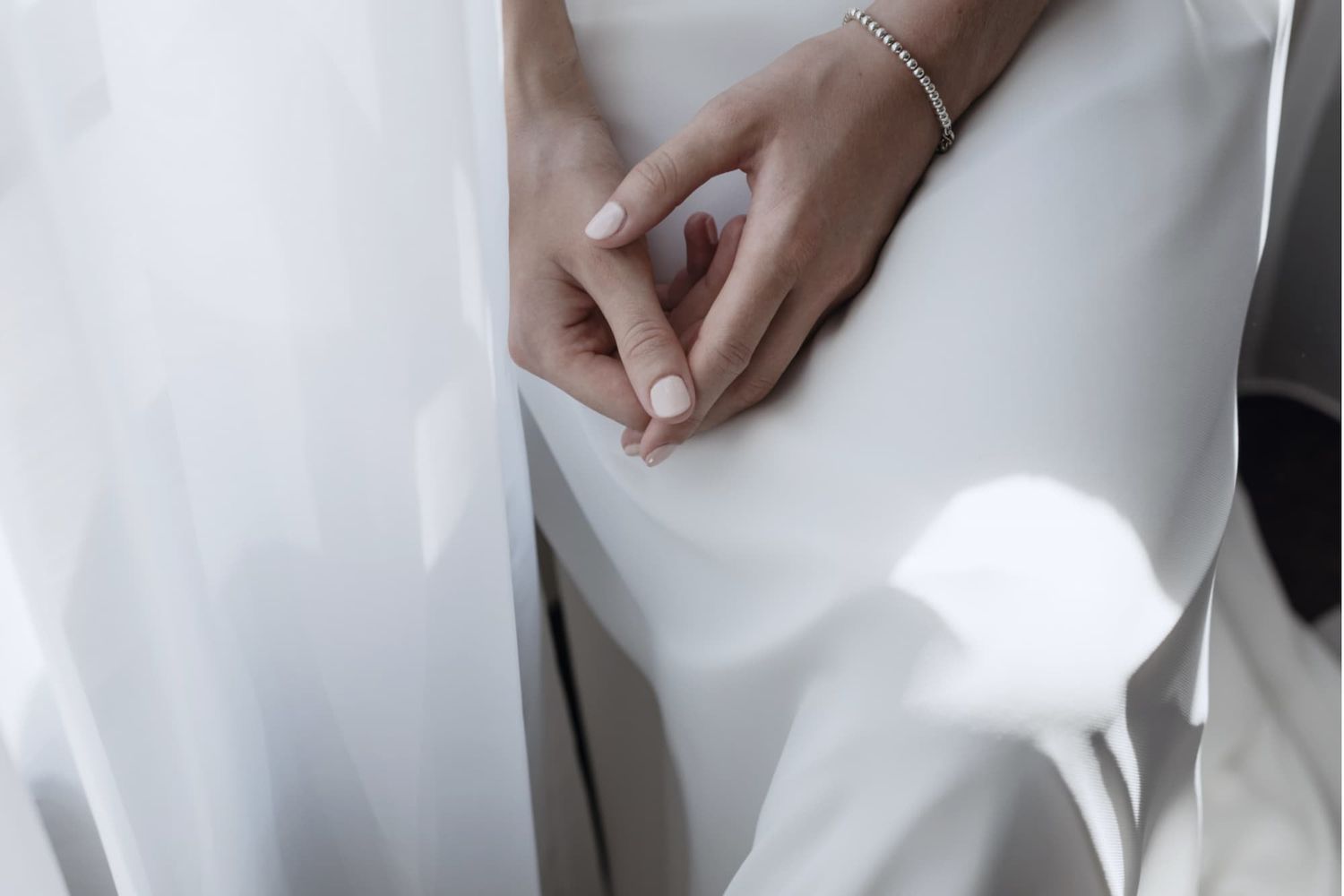
In addition to props, accessories such as hats, scarves, and jewelry can also add interest and personality to your photos. Encourage your subjects to experiment with different accessories to find looks that express their individual style and personality.
7. Have Fun and Experiment:
Most importantly, have fun and don't be afraid to experiment with props and accessories. Photography is all about creativity and self-expression, so don't be afraid to think outside the box and try new things. You never know what magic you might create!
Section 4: Directing Subjects to Convey Emotion and Tell a Story Through Their Poses
Capturing emotion and storytelling through poses is what takes a photograph from just a picture to a powerful narrative. Let's explore some tips and techniques for directing subjects to convey emotion and tell a compelling story through their poses.
1. Establish a Connection:
The first step in directing subjects to convey emotion is to establish a connection with them. Take the time to get to know your subjects and make them feel comfortable and at ease in front of the camera. This will help them relax and express genuine emotions, making for more authentic and impactful photos.
2. Encourage Movement and Interaction:
Encourage your subjects to move and interact with each other to convey emotion and tell a story through their poses. For example, you could ask a couple to dance, hold hands, or whisper secrets to each other. These interactions will create moments of genuine connection and emotion that can be captured beautifully in photographs.
3. Use Visual Cues and Prompts:
Use visual cues and prompts to guide your subjects into poses that convey the desired emotion or tell a specific story. For example, you could ask them to imagine a happy memory or think about someone they love to evoke genuine smiles and laughter. You could also use props or scenery to enhance the storytelling aspect of the photo.
4. Focus on Body Language:
Pay attention to your subjects' body language and facial expressions to convey emotion and tell a story through their poses. Encourage them to use open body language and expressive gestures to communicate their feelings effectively. For example, a slight tilt of the head or a gentle touch can convey love and affection, while crossed arms or a furrowed brow can express tension or concern.
5. Capture Candid Moments:
Sometimes, the most powerful and emotive photos are captured in candid moments when your subjects are unaware of the camera. Encourage your subjects to be themselves and engage in natural interactions, and be ready to capture those spontaneous moments of laughter, love, and connection.
6. Provide Gentle Guidance:
While it's essential to give your subjects the freedom to express themselves authentically, don't be afraid to provide gentle guidance and direction when needed. Offer suggestions for poses or expressions that will help convey the desired emotion or tell the story more effectively, but always be respectful of your subjects' boundaries and comfort levels.
7. Capture a Range of Emotions:
Finally, aim to capture a range of emotions and expressions throughout your photoshoot to tell a well-rounded and dynamic story. From joy and laughter to sadness and contemplation, each emotion adds depth and richness to the narrative of your photos.
By following these tips and techniques, you can effectively direct your subjects to convey emotion and tell a compelling story through their poses, creating photographs that are not only visually stunning but also deeply meaningful and impactful.